World Menopause Day: Protecting Women’s “Turbulent Autumn” Through Precise Testing

Every year on October 18, World Menopause Day is observed, established by the International Menopause Society to draw global attention to the health of middle-aged and older women. According to statistics, China now has more than 210 million menopausal women, accounting for roughly one-seventh of the total population, and this figure is expected to climb to 280 million by 2030. This means that one in every seven Chinese women is currently experiencing or about to enter this special stage of life.
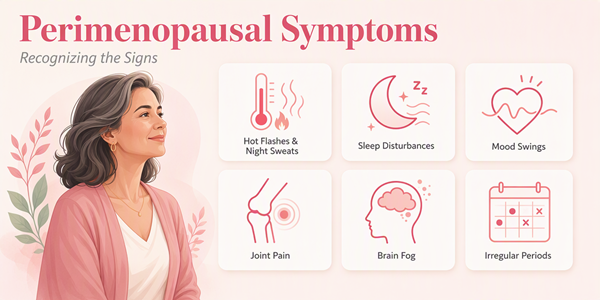
Menopause, medically known as perimenopause, is the transitional period during which a woman’s ovarian function gradually declines until it ceases entirely, typically occurring between the ages of 45 and 55. About 90% of women experience varying degrees of discomfort during this time, including hot flashes, night sweats, insomnia, mood swings, and joint pain. However, what deserves even greater attention are the long-term health risks hidden beneath these symptoms. The sustained decline in estrogen levels significantly increases a woman’s risk of osteoporosis, cardiovascular disease, abnormal blood lipids, and certain gynecological tumors.
Data from the World Health Organization shows that as life expectancy increases, women will spend 30 to 40 years of their lives in the postmenopausal period. This long “post-menopause” phase is a critical window for women’s health management. Early detection of potential risks is far more important than passively responding to symptoms. The six-item sex hormone panel is the core method for assessing ovarian function, in which elevatedfollicle-stimulating hormone (FSH) and decreased estradiol (E2) are typical changes of perimenopause—when FSH remains above 40 IU/L, it indicates ovarian failure. Bone metabolism marker testing can capture early warning signals of skeletal health, including bone resorption markers such as N-terminal mid-fragment osteocalcin and beta-crosslaps, as well as bone formation markers such as procollagen type I N-terminal propeptide. In addition, monitoring the four-item lipid panel (total cholesterol, triglycerides, low-density lipoprotein, and high-density lipoprotein) and fasting blood glucose should not be overlooked, as the incidence of cardiovascular events and metabolic syndrome rises markedly after menopause
As a manufacturer of medical diagnostic reagents, we understand that behind every reagent lies a trust in life itself. Menopause is not a disease, yet it deserves to be taken seriously; it is not an endpoint, but a natural chapter in a woman’s life journey. With precise and stable testing products, we are committed to providing reliable evidence for clinical diagnosis and treatment, helping every woman receive the attention and protection she deserves during this “turbulent autumn.”
Understanding menopause begins with an accurate test. Let scientific data speak, and let care be truly delivered.
Post time: Oct-13-2026