C-Reactive Protein: Your Body’s “Alarm System” – How Much Do You Know?
When we feel unwell, doctors often recommend a test called “C-reactive protein” (CRP). What exactly is this test, and what health information does it provide?
What is C-Reactive Protein?
C-reactive protein (CRP) is a special protein produced by the liver. Its level rises rapidly when the body experiences inflammation, infection, or tissue damage, acting like an internal “alarm system” to send us health warnings.
Why Test for C-Reactive Protein?
1. Detecting “Invisible” Inflammation
Some inflammations reside deep within the body, without any obvious symptoms on the surface. CRP testing can keenly detect these underlying problems, helping doctors identify diseases at an early stage.
2. Differentiating Types of Infections
By testing CRP levels, doctors can make a preliminary judgment on whether the infection is bacterial or viral, providing an important reference for the rational use of antibiotics.
3. Assessing Disease Activity
For chronic inflammatory diseases such as rheumatoid arthritis and inflammatory bowel disease, CRP levels can reflect the activity level of the disease and guide treatment adjustments.
4. Predicting Cardiovascular Risk
High-sensitivity C-reactive protein (hs-CRP) testing can assess cardiovascular disease risk and is one of the important indicators for predicting heart attacks and strokes.
When is CRP Testing Needed?
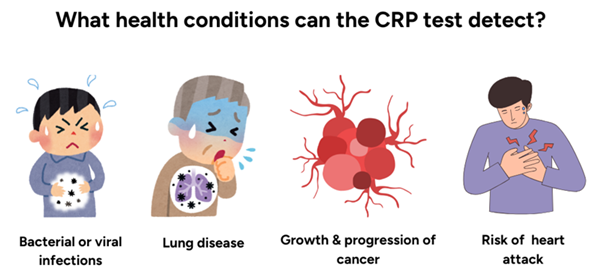
- Unexplained fever or fatigue
- Suspected bacterial or viral infection
- Monitoring for infection after surgery
- Monitoring autoimmune disease activity
- Cardiovascular disease risk assessment
- Management of chronic inflammatory conditions
How to Interpret Test Results?
Normal Range: Typically below 10 mg/L (specific reference ranges may vary by laboratory)
Mild Elevation (10-40 mg/L): May indicate mild inflammation, viral infection, or localized infection
Moderate Elevation (40-200 mg/L): Commonly seen in bacterial infections or acute inflammation
Significant Elevation (>200 mg/L): Often indicates severe bacterial infection or systemic inflammation
It is important to note that elevated CRP levels do not necessarily indicate bacterial infection; many non-infectious factors, such as trauma, surgery, and autoimmune diseases, can also cause elevated levels. Therefore, the interpretation of results must be combined with clinical symptoms and other examinations.
Precautions for C-reactive protein testing
Testing for C-reactive protein only requires a small blood sample and no special preparation. However, if you are taking any medications (especially anti-inflammatory drugs or hormones), please inform your doctor beforehand, as these medications may affect the test results.
Health Tips
While C-reactive protein (CRP) is an important health indicator, prevention is better than cure. Maintaining a healthy lifestyle—a balanced diet, moderate exercise, sufficient sleep, and stress management—helps maintain a balanced immune system and reduce unnecessary inflammation.
If you receive an abnormal CRP test report, don’t panic or try to self-diagnose. Consult a doctor promptly for a complete diagnosis and appropriate treatment plan, taking into account your clinical presentation and other test results.
We Baysen Medical is always focus on diagnostic technique to improve the quality of life . We have developed 5 technology platforms- Latex , colloidal gold , Fluorescence Immunochromatographic Assay , Molecular,Chemiluminescence Immunoassay, Our CRP FIA test kit are easy operation and can get test result in 5 mins
Post time: Dec-09-2025