Precision Insights into Insulin Resistance: From Mechanisms and Symptoms to Quantitative Detection
What Is Insulin Resistance?
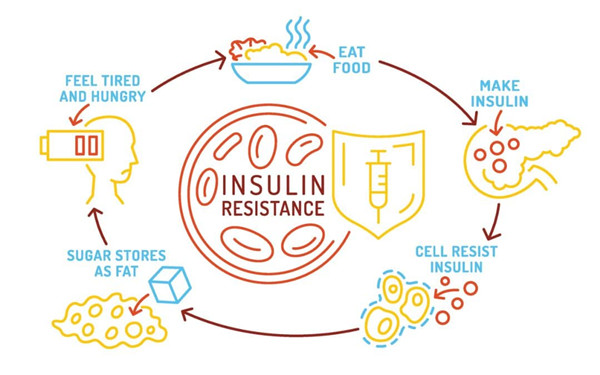
Insulin resistance refers to a reduced sensitivity of the body to insulin, such that the insulin secreted by the pancreas fails to effectively promote glucose uptake and utilization in peripheral tissues—including muscle, adipose tissue, and the liver. To maintain blood glucose stability, pancreatic β-cells compensate by secreting increased amounts of insulin, leading to hyperinsulinemia. Over time, this chronic state progressively exhausts the pancreatic reserve capacity, eventually advancing to impaired glucose tolerance and ultimately type 2 diabetes mellitus. At the molecular level, core defects in insulin resistance typically involve aberrant phosphorylation of insulin receptor substrates, impaired activation of the PI3K/Akt signaling cascade, and interference from pro-inflammatory cytokines such as TNF-α and IL-6—all of which collectively constitute the pathophysiological foundation of metabolic dysregulation.
Clinical Symptoms of Insulin Resistance
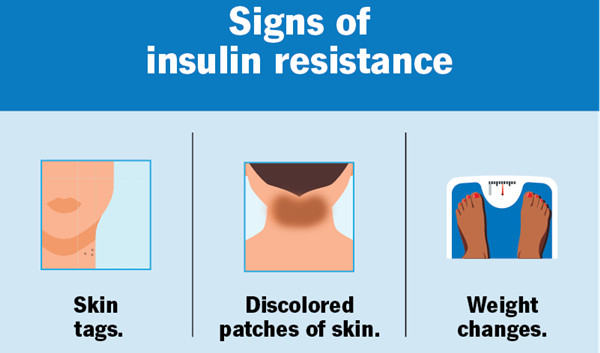
In its early stages, insulin resistance often lacks specific manifestations. However, as the condition progresses, patients may present with the following warning signs:
- Acanthosis nigricans: Hyperpigmented, thickened, and velvety skin changes in flexural areas such as the neck, axillae, or groin—a classic dermatologic sign driven by hyperinsulinemia stimulating keratinocyte and fibroblast proliferation.
- Central obesity: Increased waist circumference and visceral fat accumulation, where elevated free fatty acid release from adipose tissue further exacerbates suppression of insulin signaling pathways.
- Postprandial somnolence and fatigue: Due to reduced glucose uptake efficiency and insufficient cellular energy supply, patients often experience marked drowsiness and decreased physical energy after meals.
- Metabolic syndrome-related features: Including hypertension, hypertriglyceridemia, low HDL-cholesterol levels, and non-alcoholic fatty liver disease—these conditions frequently co-exist with insulin resistance and perpetuate a vicious cycle.
- Reproductive and endocrine abnormalities: In women, polycystic ovary syndrome may manifest with oligomenorrhea, hyperandrogenism, and ovulatory dysfunction; in men, reduced sexual function may occur.
Clinical Value of Precision Detection
Traditional assessment methods, such as the HOMA-IR index, rely on calculations involving fasting blood glucose and insulin levels; as indirect measures, they fail to directly reflect signaling impairments at the tissue level. While immunofluorescence staining of pancreatic tissue sections offers high-resolution data, the procedure is cumbersome and subject to significant inter-observer variability, making it difficult to implement in routine clinical practice.
As a professional manufacturer of IVD medical diagnostic reagents And device , our proprietary insulin Fia reagent, when used with the WIZ-A101 and WIZ-A203 semi-automated immunofluorescence analyzers, employs a double-antibody sandwich method. With high-precision fluorescence reading modules and intelligent algorithms, the system enables rapid and accurate quantification of insulin concentrations in serum or plasma. Without complex sample pretreatment, standardized reports are generated within minutes, and both within-run and between-run precision meet clinical quality control requirements. This solution not only offers a convenient tool for early screening of insulin resistance but also introduces a new quantitative benchmark for dynamic therapeutic monitoring and comprehensive metabolic disease management.
Post time: Jun-23-2026