C13 Urea Breath Market Trends 2026–2032: Growth Opportunities and Industry Insights
1. Market Size and Growth Outlook
The global urea breath test system market is on a steady growth trajectory. According to industry research data, the market size is projected to reach US$1.801 billion by 2032, with a compound annual growth rate (CAGR) of approximately 5.0% from 2026 to 2032. The ¹³C UBT system segment alone was valued at approximately $145 million in 2024 and is projected to grow to $200 million by 2030, at a CAGR of 5.5%.
Regionally, the Asia-Pacific region is emerging as the fastest-growing market due to the high prevalence of Helicobacter pylori infections, while North America and Europe continue to show steady growth driven by established healthcare systems and standardized diagnostic protocols
2. Key Growth Drivers
2.1 Widespread acceptanceof Non-Invasive Testing
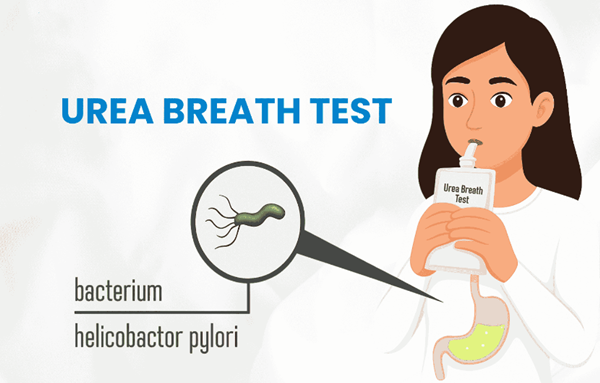
Urea Breath Testing directly reflects active H. pylori infection and has been widely integrated into clinical pathways for both initial diagnosis and post-eradication confirmation. Compared to invasive methods such as endoscopic biopsy, UBT’s non-invasive nature makes it the preferred choice for patients and clinicians alike.
2.2 High Global Infection Rates Driving Demand
H. pylori is one of the most common chronic bacterial infections in humans, affecting approximately 4.4 billion people worldwide, with prevalence rates ranging from 28% to 84% across different regions. The infection is closely associated with gastric and duodenal ulcers, gastritis, gastric cancer, and gastric MALT lymphoma. The growing necessity for early diagnosis and eradication continues to fuel market expansion.
2.3 Expanding Testing Scenarios
With improvements in device portability and automation, UBT has extended from specialized gastroenterology departments to health check-up centers, primary care institutions, and chain clinics, significantly broadening testing coverage. Multi-channel high-throughput equipment, digital reporting systems, and LIS/HIS integration capabilities further enhance UBT’s efficiency advantages in large-scale operation
3. Business Value: The “Device + Consumables” Dual-Engine Model
The C13 UBT system exhibits a typical dual-engine profit structure of “equipment deployment + consumable repurchase,” with core profits primarily derived from reagents and disposable consumables
| Metric | Margin Range |
|---|---|
| Consumables Gross Margin | 60%–75% |
| Equipment Gross Margin | 30%–50% |
| Industry Overall Gross Margin | 50%–65% |
The rigid demand for “retesting after treatment” ensures high repurchase rates and stable cash flow. Once the closed-loop management model of “testing–treatment–retesting” is established, the sustainability of consumable consumption becomes more certain, significantly enhancing customer lifetime value (LTV)
4.Conclusion
Driven by the growing demand for non-invasive diagnostics, persistently high H. pylori infection rates, and the advancement of standardized diagnostic and treatment protocols, the C13 breath test system market holds significant growth potential. As a medical diagnostic product supplier, investing in the C13 UBT product line not only aligns with industry trends but also delivers sustainable revenue growth through a proven “device + consumables” business model.
Post time: Aug-13-2026